SARG Director chairs national alcohol policy roundtable
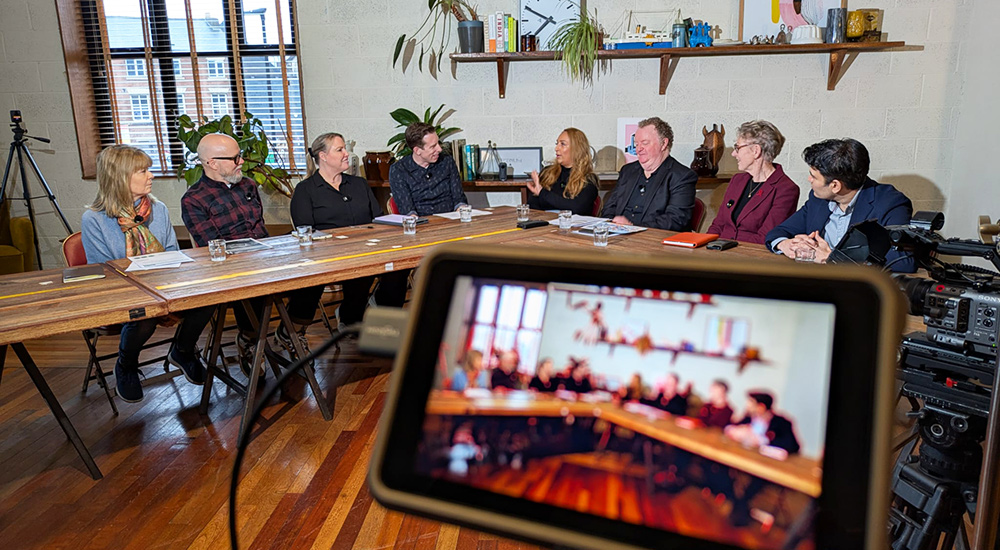
Professor John Holmes, Director of the Sheffield Addictions Research Group (SARG), has chaired a high-level expert roundtable discussing the future of alcohol policy in the UK.
The discussion, filmed in Sheffield in February 2026, was organised by the Society for the Study of Addiction (SSA). Released in full today, the session brought together eight leading experts from policymaking, public health, research and lived experience to debate the current state of UK alcohol policy and identify future opportunities for change.
Overview of the discussion
The roundtable was convened to provide an informed and open space for experts to discuss the complexities of alcohol harm and the requirements for an effective national strategy. As Chair, Professor Holmes facilitated a broad conversation covering the shifting landscape of alcohol consumption and the various barriers to reducing population-level harm.
Key themes addressed by the panel included:
- Assessing what works in alcohol policy and identifying current 'windows of opportunity' for affecting change.
- Examining the influence of the alcohol industry in shaping policy debates.
- The importance of changing the narrative around those who experience alcohol-related harm.
- The potential risks and benefits of the growing market for no- and low-alcohol products.
- Defining the essential components of a national strategy, including the need for full funding and addressing the core drivers of harm: affordability, availability and marketing.
The panel included Professor John Holmes, Aunee Bhogaita, Clive Henn, Dr Gautam Mehta, Rosanna O'Connor, Dr Peter Rice, Professor Julia Sinclair, and Alice Wiseman MBE.
Watch the full discussion
The full 98-minute roundtable is available to watch below or on the SSA YouTube channel.
About the Society for the Study of Addiction
The SSA is a learned society and charity founded in 1884. Its mission is to advance the scientific understanding of addictive products and behaviours and to promote the use of evidence in policy and practice. Find out more on the SSA website.
-
Sheffield smoking cessation research on the agenda at national ASH webinar
University of Sheffield research evaluating the use of financial incentives to help people quit smoking in Sheffield has featured at a national webinar hosted by Action on Smoking and Health (ASH).
-
SARG and IAS partner to lead session at Portorož Youth Health Forum 2026
Dr Laura Fenton, Research Fellow at the Sheffield Addictions Research Group (SARG), and Dr Peter Rice, Chair of the Institute of Alcohol Studies (IAS) and President of Eurocare, will co-lead an interactive session at the Portorož Youth Health Forum 2026 in Slovenia.
-
The higher cost of a healthier option: SARG study lifts the lid on why no/lo alcohol beer drinkers feel out of pocket
People buying alcohol-free and low-alcohol beers pay more for choosing a healthier option, according to new research by the Sheffield Addictions Research Group (SARG).
-
Tobacco company levy could raise up to £4.9bn and prevent 10,000 hospital admissions, study suggests
New modelling from the Sheffield Addictions Research Group shows a 'polluter pays' levy scheme could cut smoking deaths, reduce hospital admissions, and raise billions in tax revenue.
You might also be interested in…
-
Funding announced for research into commercial determinants of health
Congratulations to SARG team member Zoe Clarke who has won funding for research on commercial determinants of health in Sheffield.
-
New report reveals further growth and key trends in alcohol-free and low-alcohol drinks market
A second Monitoring Report from the Sheffield Addictions Research Group has been published, revealing further growth in the alcohol-free and low-alcohol (no/lo) drinks market and offering new insights into consumer behaviour and pricing.
-
John Holmes to speak on no- and low-alcohol drinks in SHAAP seminar
Prof John Holmes and Prof Niamh Fitzgerald will discuss the implications of no- and low-alcohol products for public health in a free online seminar on 24 April.